
Educational Guide to Stretching & Muscle Maintenance
Knowledge is just as important as the right equipment when it comes to improving your flexibility. The BodyAlign Stretching Guide provides practical advice on how to use our tools effectively and safely. We cover everything from stretching for beginners to advanced foam rolling exercises, ensuring you have a clear path to follow. Our focus is on providing evidence-based movement patterns that help you manage a stiff back and improve your overall range of motion.
Choose an entry point based on your experience level and the area you want to work on.
Foam rolling slow-tempo method
Stretching for Beginners
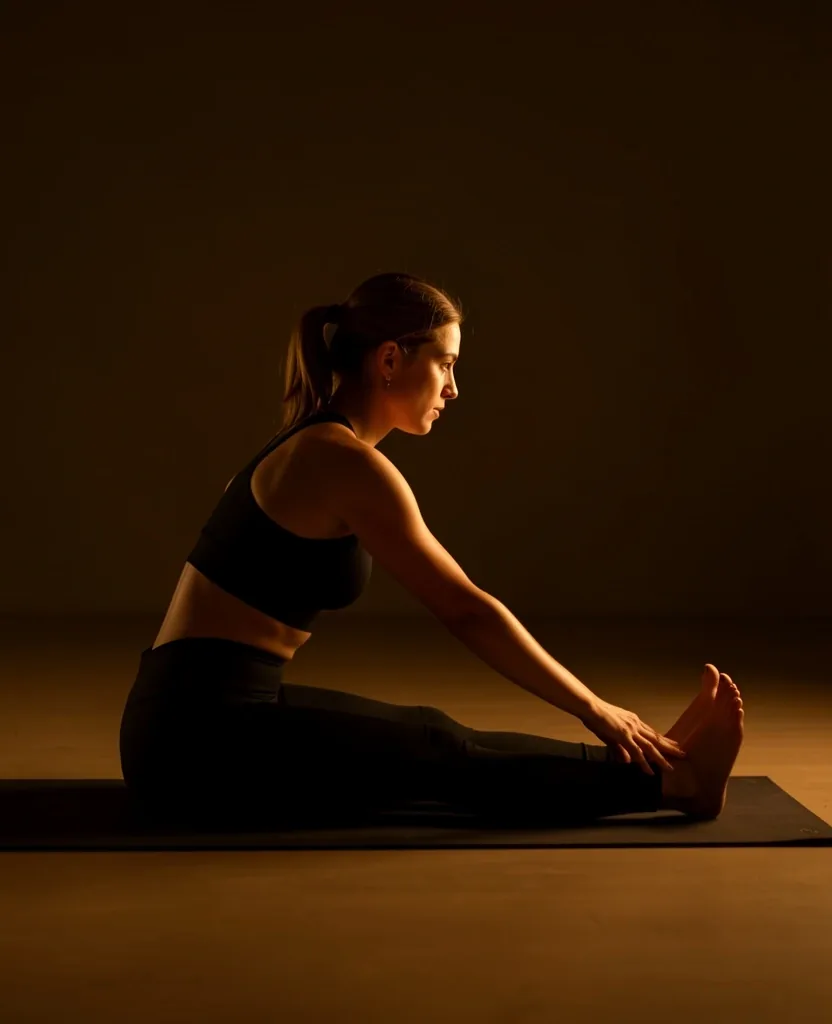
If you are new to a flexibility routine, it is important to start slowly and focus on proper form. We recommend beginning with a high-quality yoga mat to provide a comfortable base for your movements. Focus on large muscle groups like the hamstrings and hip flexors before moving on to more complex positions. Our guides emphasize the importance of breathing and gradual progression to avoid overstretching.
A common mistake is treating stretching as a warm-up. When your muscles are cold, they are less pliable and more resistant to elongation. Spend five to ten minutes walking or doing light movement before you begin. This raises muscle temperature and increases blood flow, making each stretch more effective and reducing the risk of strain.
Once you are warm, hold each position for twenty to thirty seconds rather than bouncing in and out of the stretch. Bouncing triggers a protective reflex that actually tightens the muscle. A slow, sustained hold gives your nervous system time to register the new range and allow the tissue to lengthen safely.
Effective Foam Rolling Exercises
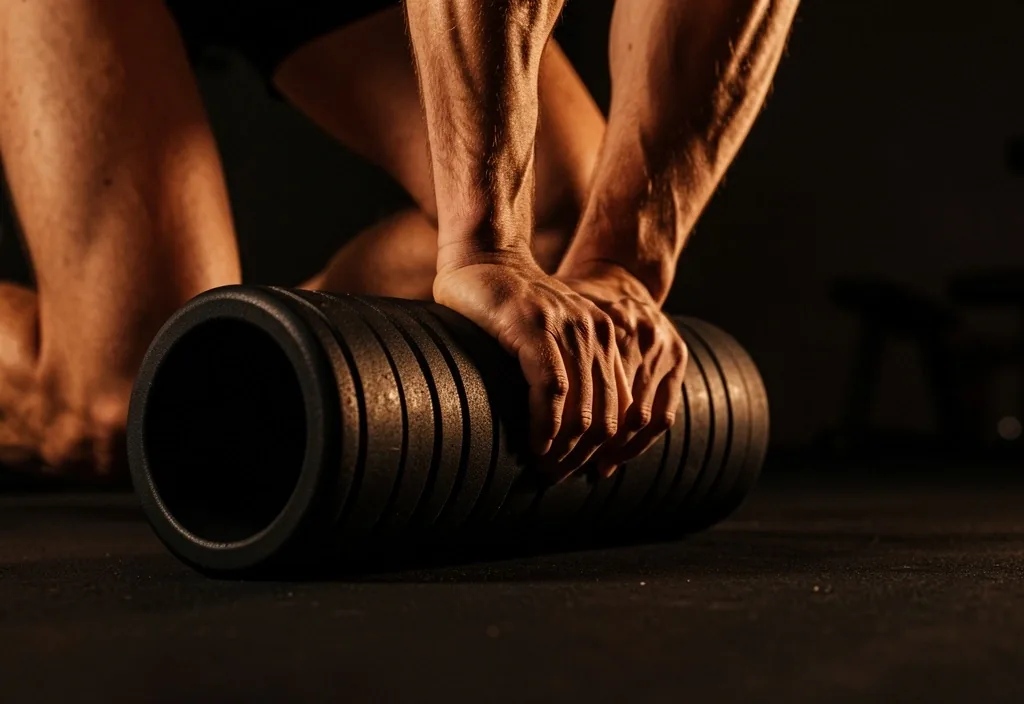
Using a foam roller is more than just rolling back and forth. To get the most benefit, you should use slow, controlled movements and pause on areas of particular tension. Our guides walk you through the process of releasing the IT band, quads, and upper back using a muscle massage roller. Understanding the correct tempo and pressure will make your post workout recovery sessions much more effective.
- → Roll at one inch per second — speed kills the effect
- → Pause for twenty to thirty seconds on dense spots
- → Breathe out slowly as you apply pressure
- → Never roll directly on a joint or bone
- → Spend two to three minutes per muscle group
Daily Body Stretching Routine
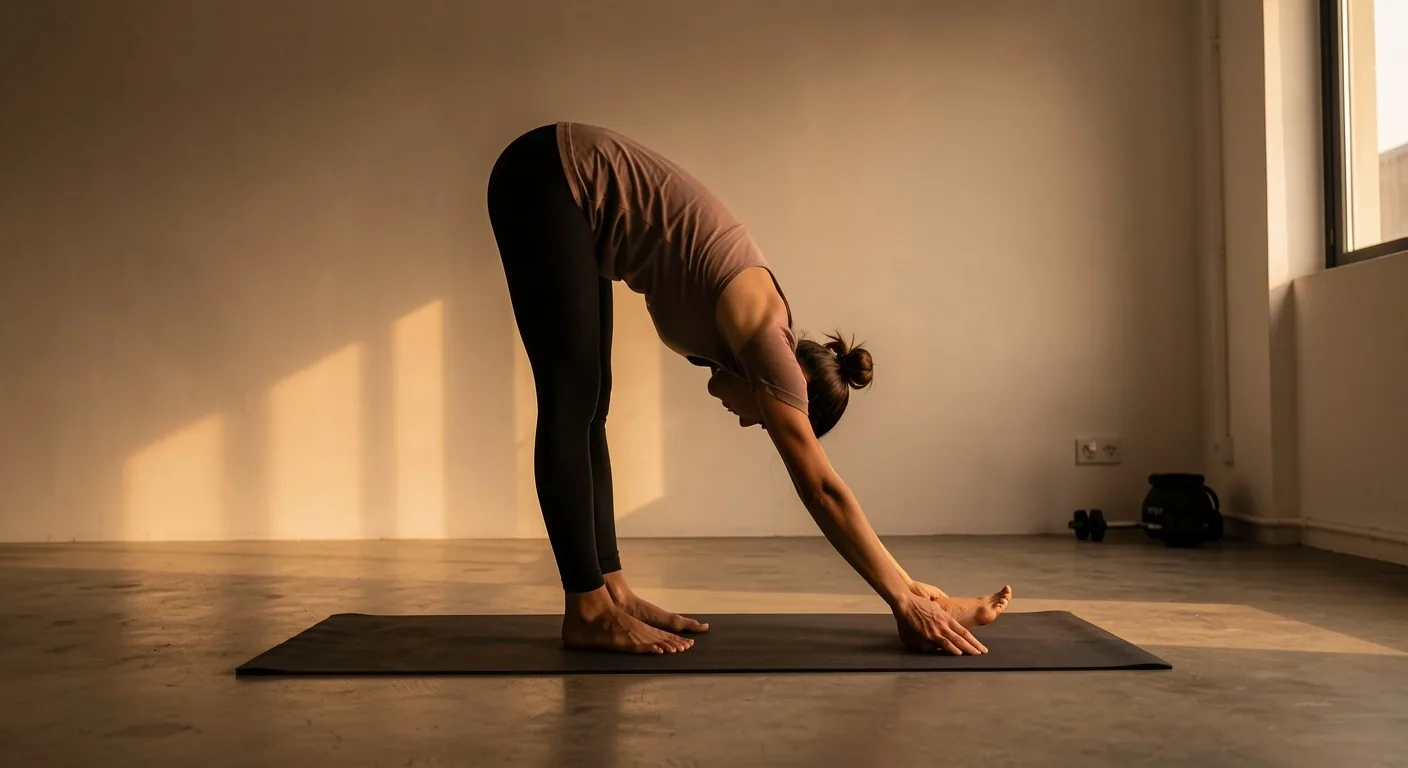
Consistency is the most important factor in seeing improvements in flexibility. We suggest a daily body stretching routine that takes no more than fifteen minutes but covers all the major joints. This routine can be done in the morning to wake up the body or in the evening to wind down after a long day. Having a set sequence of movements makes it easier to stick to your goals and track your progress over time.
Warm-Up Mobilisation
Arm circles, gentle torso rotations, and ankle rolls to raise tissue temperature.
Lower Body Stretches
Hamstrings, hip flexors, and calves — each held for thirty seconds per side.
Spine and Shoulders
Cat-cow, thoracic twists, and doorway chest openers for upper-body mobility.
Wind-Down Breathing
Supine knees-to-chest holds with slow nasal breathing to close the sequence.
Addressing a Stiff Back
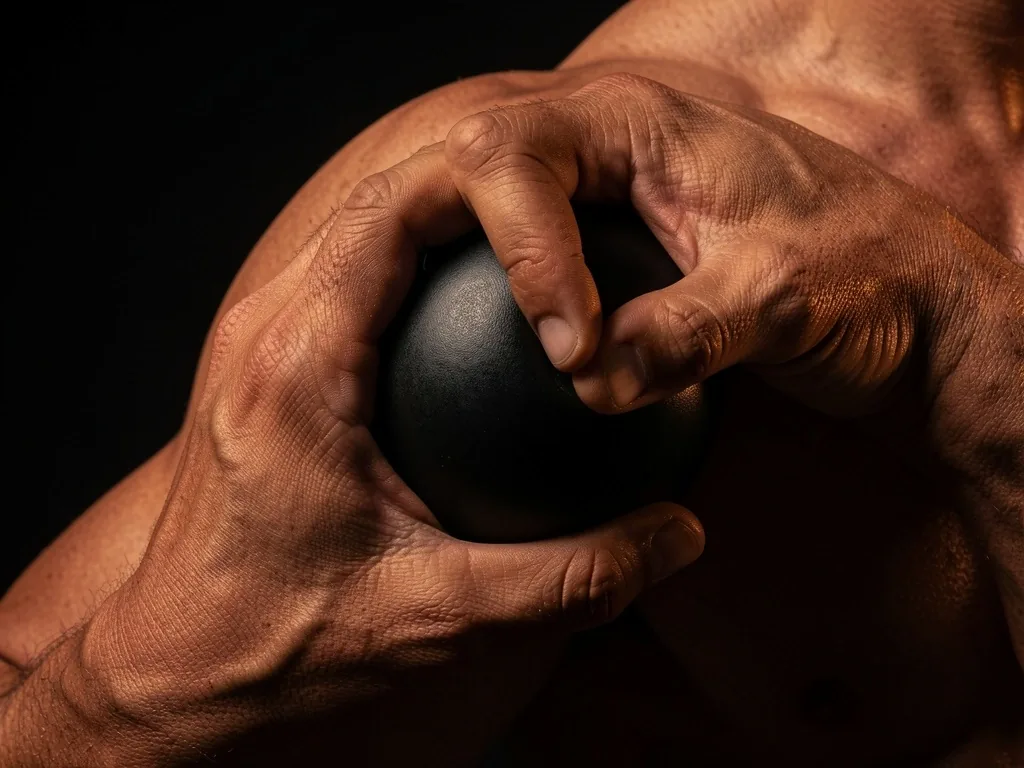
A stiff back is a frequent issue for those with sedentary jobs. Our guide to back stretching for stiff back issues focuses on gentle decompression and rotation movements. Using tools like a back support cushion or a peanut massage ball can supplement these exercises. By combining active stretching with targeted myofascial release, you can effectively manage the tension that accumulates in the spine.
Start with the cat-cow flow on your mat to segmentally mobilise each vertebra. Follow with a seated forward fold that lets gravity do the decompression work. If you sit for long hours, a peanut massage ball placed along the spine — never directly on it — can release the muscles running parallel to your vertebrae. Two minutes per area is enough; longer is not better.
How to Release Muscle Knots
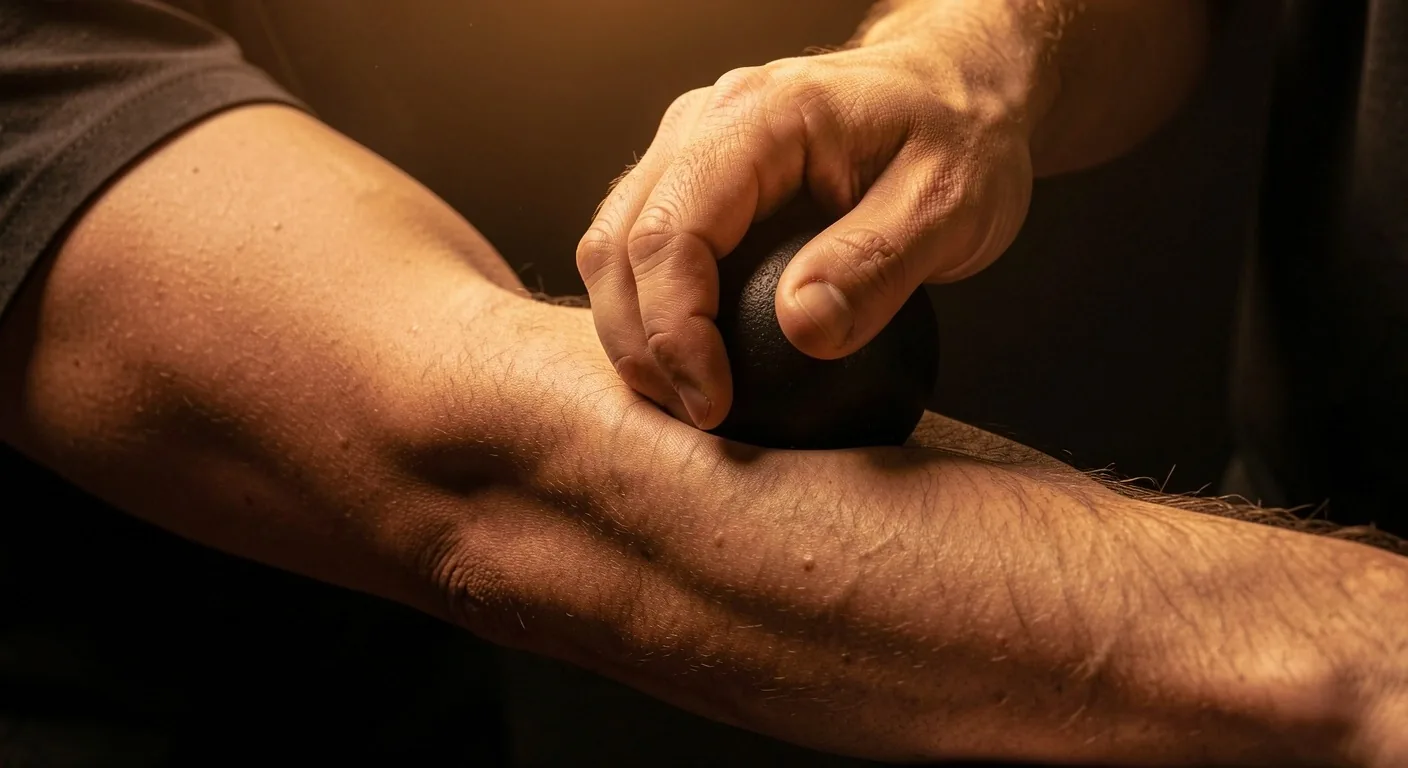
Identifying and releasing a knot requires patience and the right tool, such as a firm massage ball. The technique involves applying static pressure to the point of tension until you feel a release or softening of the tissue. Our guide explains how to find these trigger points and how long to hold the pressure for maximum effect. This is a skill that, once learned, becomes an invaluable part of your self-care toolkit.
Locate the knot by gently rolling over the area until you hit a dense, tender spot. Stop moving, breathe deeply, and let your body weight sink into the ball. Hold for sixty to ninety seconds. The sensation should be intense but manageable — if you are holding your breath or tensing up, reduce the pressure. The tissue will soften on its own once your nervous system registers that it is safe to let go.
If the pressure makes you hold your breath, it is too much. Back off until you can breathe normally, then wait for the tissue to soften.
Safe Movement for All Levels
Safety is our primary concern in every guide we produce. We provide clear instructions on what sensations are normal — such as mild tension — and what should be avoided, such as sharp discomfort. Our focus is on safe exercises for knees and other sensitive joints. By following our structured approach, you can improve your mobility without risking unnecessary strain.
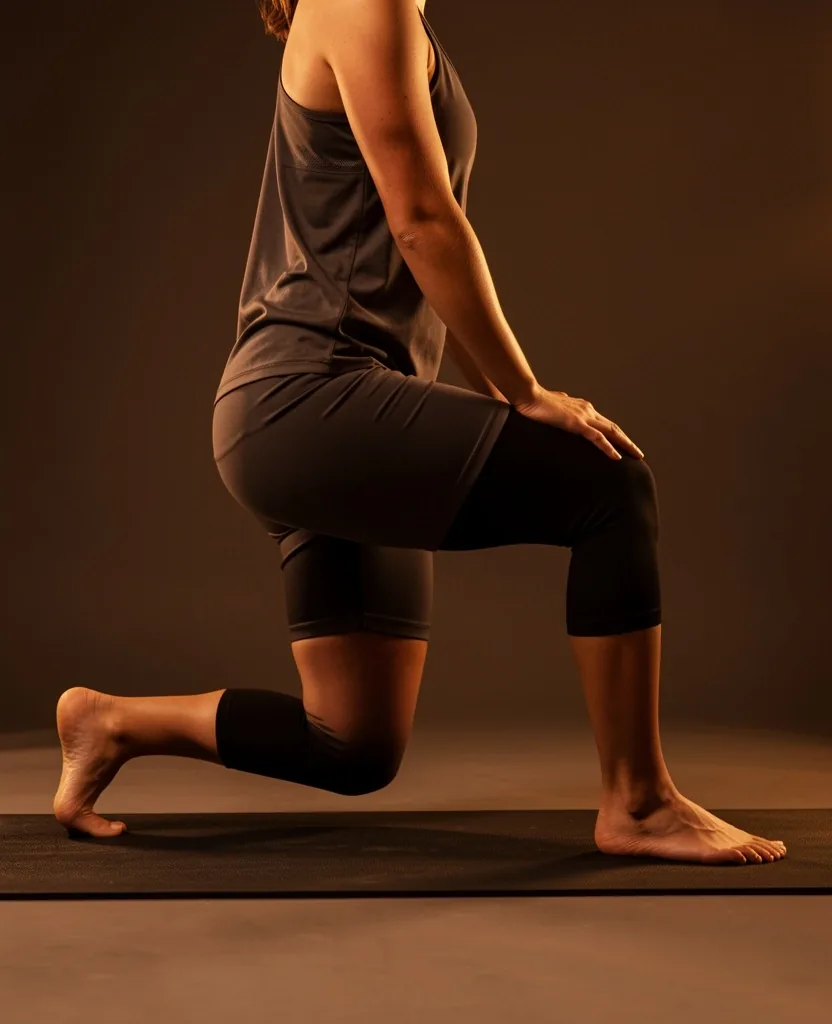
For those with sensitive knees, a knee support sleeve can provide proprioceptive feedback and gentle compression during floor-based stretches. Place a folded mat under the knee for cushioning. Avoid deep lunges that push the knee past the toes — instead, focus on isometric holds and controlled ranges that build strength in the joint's stable zone.
Mild pulling, warmth, gradual easing of tension as you hold
Sharp discomfort, numbness, tingling, or joint discomfort
The Role of Resistance Bands
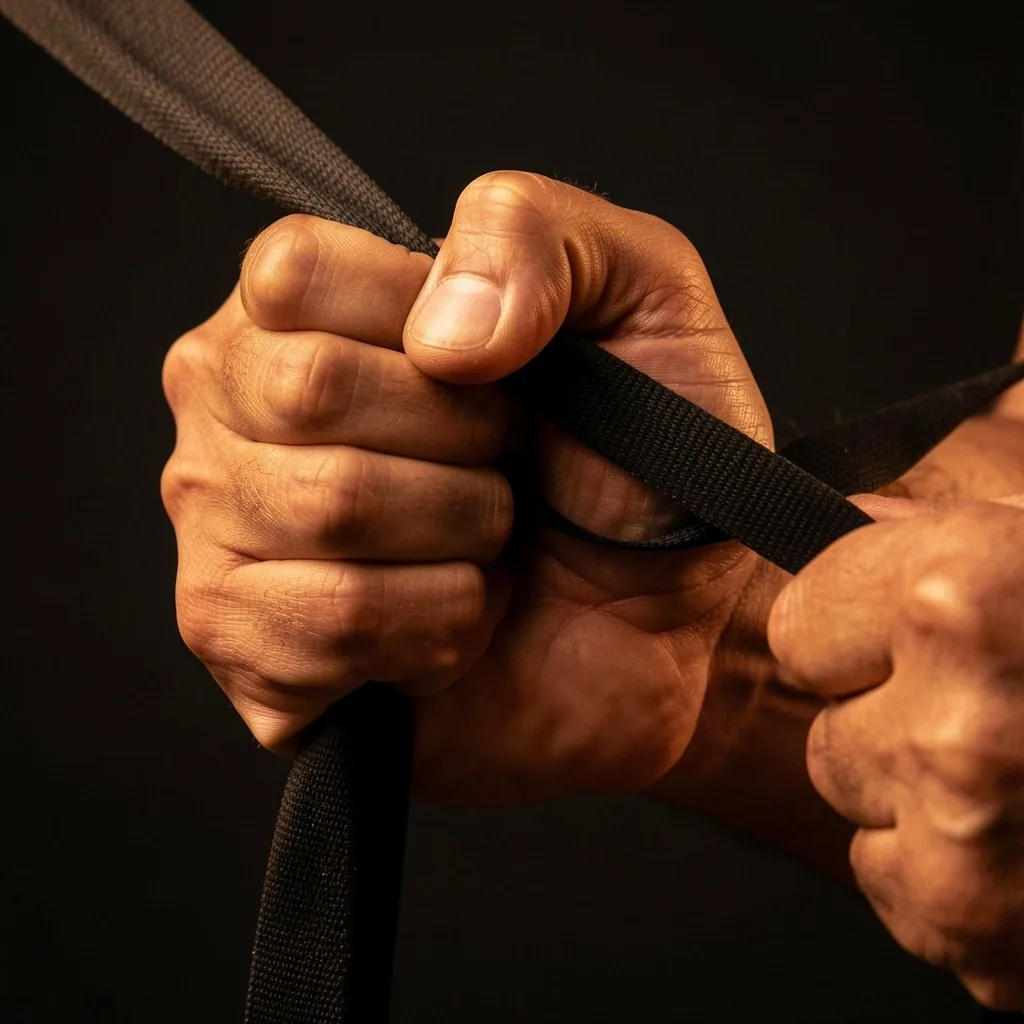
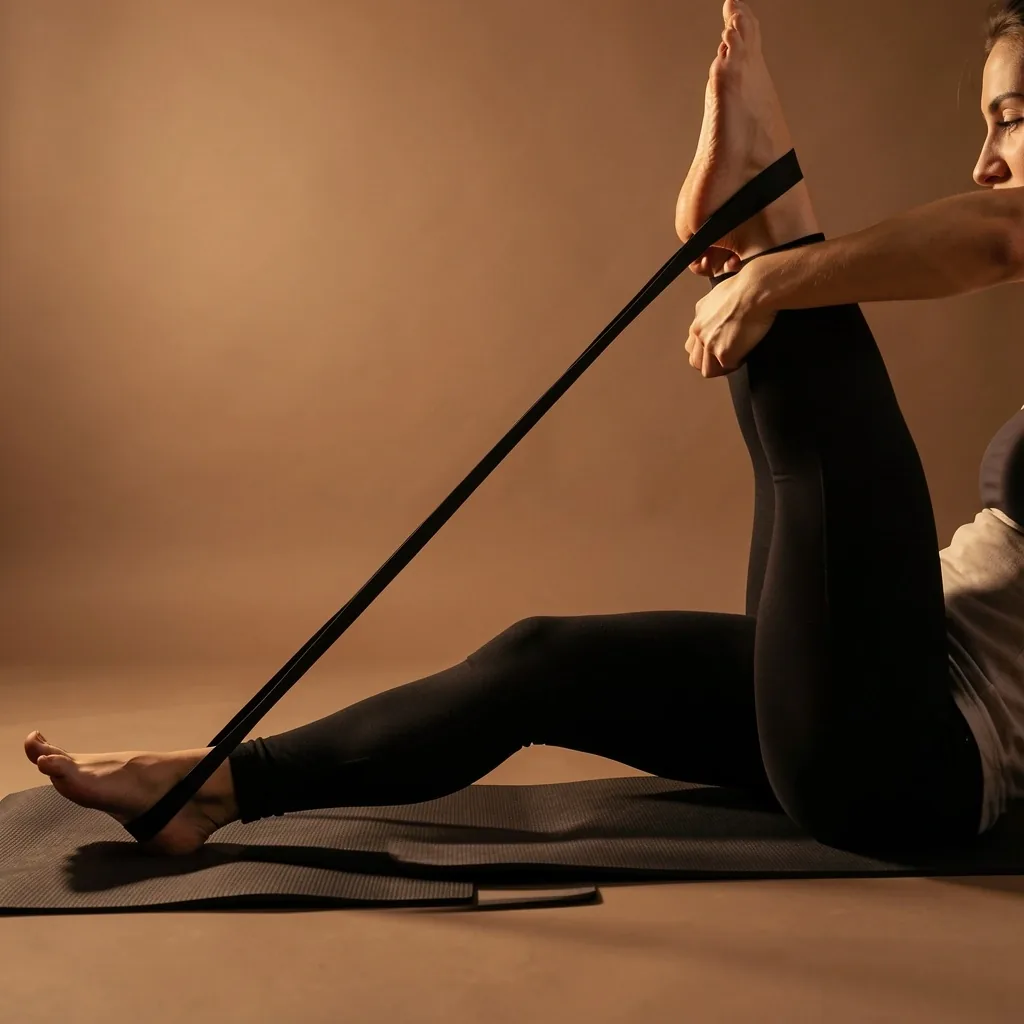
Stretching is not just about relaxing muscles; it is also about strengthening them in their new, elongated ranges. Resistance bands are excellent for active stretching, where you use the band to provide gentle tension as you move through a range of motion. This helps your nervous system become comfortable with increased flexibility, making the results more permanent. We show you how to integrate these bands into your existing routine.
Passive stretching tells your body it can reach a new position. Active stretching with a band proves your muscles can control that position. Without the strength component, a stretched muscle often tightens back up within hours. Banded hamstring drills, standing hip openers, and assisted chest pulls all build strength at the end range — which is where flexibility becomes genuinely usable.
Understanding Myofascial Release
Myofascial release is a specific technique that targets the connective tissue, or fascia. Our guide explains the science behind this practice in simple terms, focusing on how it helps improve circulation and tissue health. By understanding why you are using a foam roller or massage ball, you can better tailor your sessions to your specific needs. This educational foundation is what sets BodyAlign apart.
Fascia is a thin layer of connective tissue that wraps around every muscle and organ. When healthy, it glides smoothly. When stiff from lack of movement or repetitive strain, it becomes adhered — sticking to the muscle beneath it like cling film. Myofascial release tools apply direct, sustained pressure to these adhesions. The mechanical load signals the fascia to rehydrate and the underlying muscle to relax, restoring glide between layers.
This is why the speed of your rolling matters. Fast rolling stimulates the nervous system but does little for the fascia. Slow, sustained pressure gives the tissue time to respond at a cellular level. Think of it like warming modelling clay — you cannot rush it with force. You apply consistent warmth and wait for the material to become pliable on its own.
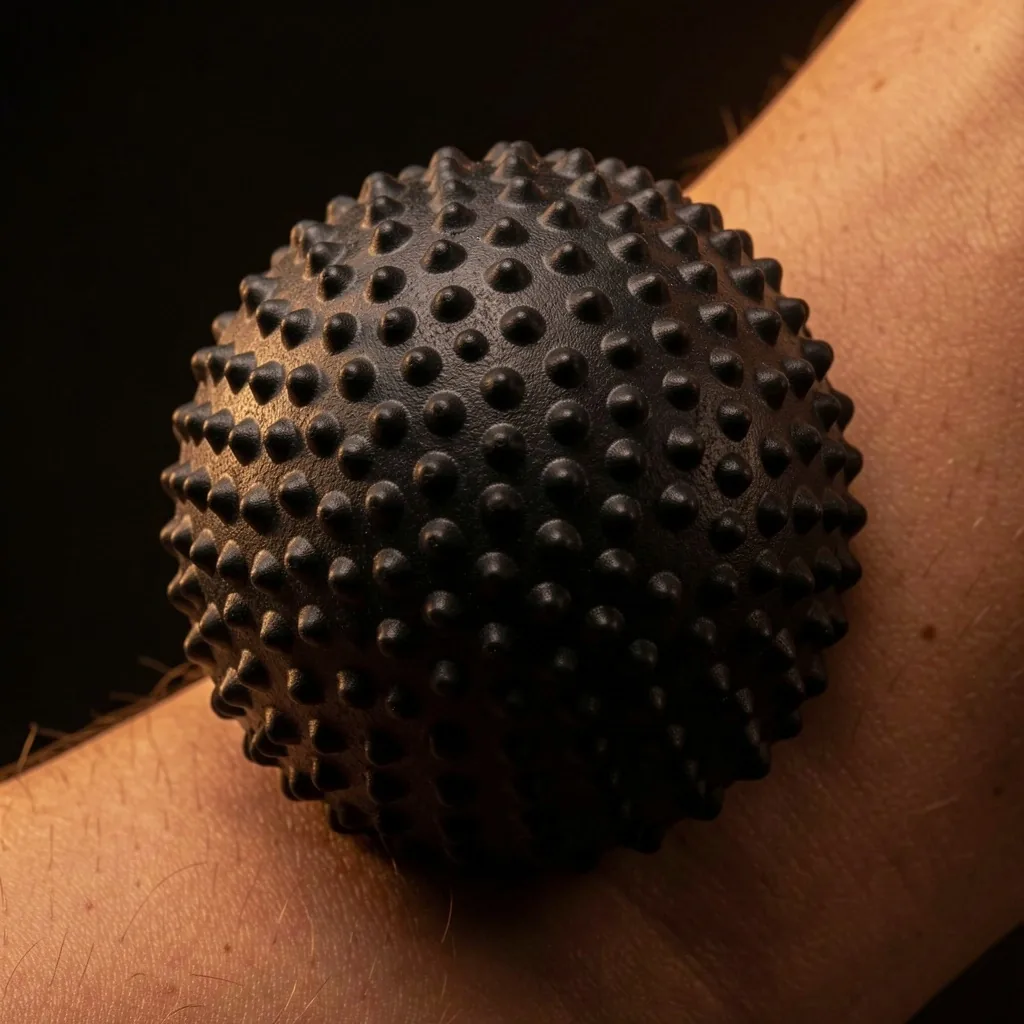
Explore MFR Tools
Foam rollers, massage balls, and peanut rollers for self-myofascial release at home.
→ Expert AdviceRead Common Questions
Answers to the most frequent questions about stretching equipment and recovery routines.
→ Get in TouchContact Our Team
Questions about product selection or routine setup? Reach our Edinburgh office by phone or email.
→19 Stretching House, Castle Street, Edinburgh, EH2 3AH, United Kingdom. Mon–Fri, 9:00–18:00.